Strategic Sequencing of Coded Triggers in Hybrid Wagering Platforms
Yves Wagner · Aug 21, 2026
Strategic Sequencing of Coded Triggers in Hybrid Wagering Platforms
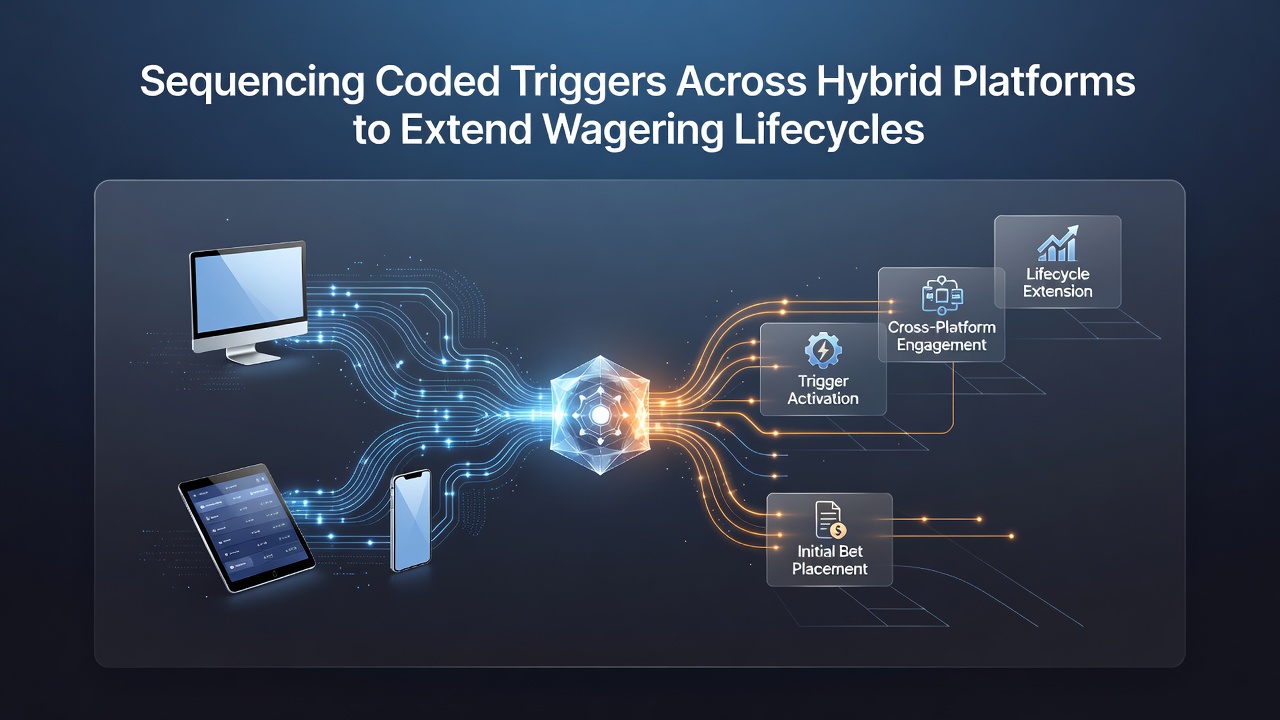
Operators coordinate sequences of promo codes and bonus triggers across integrated casino and sportsbook environments to maintain longer engagement periods, and this approach relies on timed releases that move users from initial free spins into layered sports multipliers without abrupt drop-offs in activity. Data collected through platform analytics shows that structured progressions keep wagering volumes steady across multiple sessions, whereas isolated offers tend to produce shorter participation windows.
Core Components of Trigger Systems
Coded triggers consist of alphanumeric sequences embedded in mobile apps and web interfaces that activate specific rewards once players complete predefined actions such as depositing, placing qualifying bets, or achieving certain playthrough thresholds. Researchers tracking operator logs note that these codes often link to backend rulesets which adjust reward values based on user history, and teh result appears in extended session lengths when one trigger feeds directly into the next. Hybrid platforms combine slots, table games, and sports markets under single accounts so that a casino-based code can unlock a sportsbook boost, creating pathways that span different verticals within the same ecosystem.
Timing and Layering Techniques
Effective sequencing begins with low-barrier entry offers like no-deposit spins that convert into deposit-matched bonuses, and those in turn unlock sports wager multipliers once players reach volume targets. Observers at regulated sites report that staggered release windows, often separated by 24 to 72 hours, prevent saturation while sustaining momentum through August 2026 reporting periods. One documented pathway starts with a code that awards 20 free spins on selected slots, followed by a conditional sports credit after the player wagers the resulting winnings on a minimum-odds event, and this chain continues when additional codes activate for repeat deposits. The structure relies on conditional logic that checks account activity across both casino and sports sections, ensuring continuity rather than isolated events.
Platform Integration Patterns
Hybrid systems merge casino and sportsbook databases so that a single user profile tracks progress across verticals, and this integration allows operators to trigger rewards that reference activity in either area. Figures from industry monitoring groups indicate that platforms using unified ledgers achieve higher retention rates when sequences cross vertical boundaries compared with siloed promotions. External regulatory frameworks, such as those outlined by the Australian Gambling Research Centre, emphasize transparent rules for code validity periods and playthrough requirements that support longer engagement without misleading users. Similar guidance appears in Canadian provincial oversight documents that require clear disclosure of sequencing conditions.
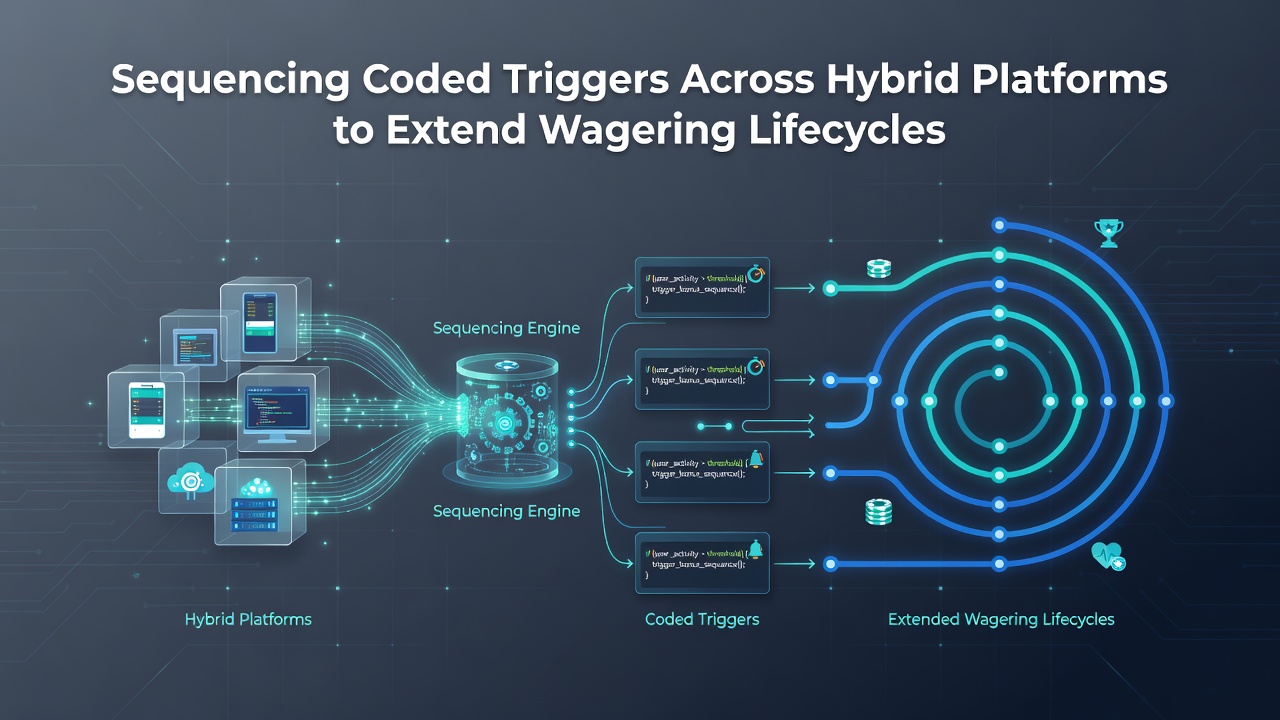
Operators adjust sequence depth according to player segmentation data, where high-frequency users receive longer chains that incorporate premium events, while newer accounts encounter shorter progressions that focus on basic conversion steps. Evidence from platform telemetry reveals that sequences incorporating both deposit and non-deposit triggers maintain activity levels across a broader range of market conditions.
Measurement of Lifecycle Extension
Lifecycle metrics track the interval between first and last wager within a defined period, and sequenced triggers correlate with measurable increases in that interval according to aggregated operator reports. Studies compiled by the European Gaming and Betting Association document average extensions of three to five additional active days when codes progress through at least three linked stages. These extensions appear most pronounced when sports multipliers activate after casino playthrough completion, because the shift between verticals refreshes user interest without requiring separate login flows. August 2026 datasets further illustrate that platforms maintaining continuous sequences recorded steadier daily active user counts than those relying on one-off promotions.
Regulatory and Compliance Considerations
Jurisdictions require that all triggers display clear terms at activation points, and operators must log each code redemption to demonstrate adherence to fairness standards. Compliance teams review sequence logic to confirm that no single trigger creates an unbalanced advantage, and audit trails capture every transition from casino to sports rewards. Data from multiple licensing bodies shows that transparent sequencing reduces dispute volumes while supporting sustained platform usage.
Conclusion
Sequenced coded triggers function as interconnected steps that bridge casino and sportsbook activities on hybrid platforms, producing extended wagering intervals through timed and conditional rewards. Current implementations rely on unified account data, staggered releases, and cross-vertical linkages to keep participation consistent. Regulatory guidance from varied regions reinforces the need for clear presentation of these sequences, and available metrics confirm measurable impacts on user activity duration when the approach is executed systematically.