State Regulations Shape Sign-Up Incentives for Hybrid Gaming Platforms Across the U.S.
Theo Baumann · Jun 15, 2026
State Regulations Shape Sign-Up Incentives for Hybrid Gaming Platforms Across the U.S.
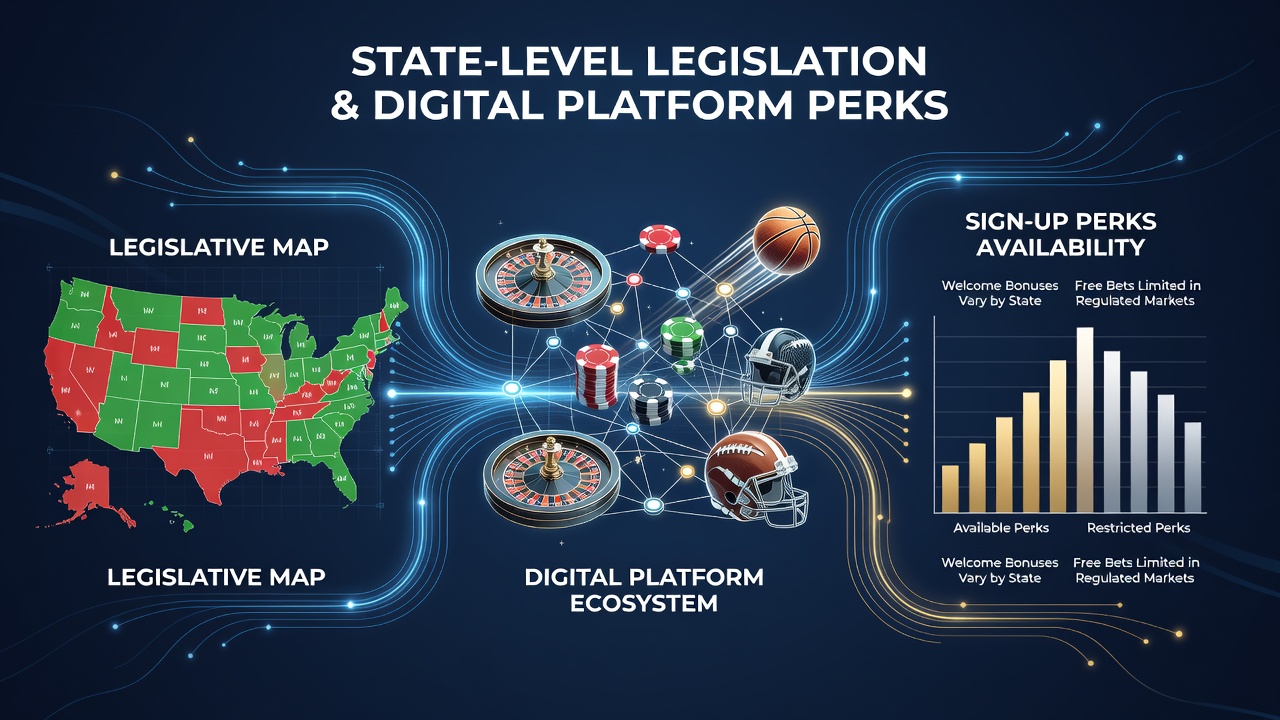
State laws determine which sign-up perks appear on digital platforms that blend casino games with athletic wagers, and those rules differ sharply from one jurisdiction to another. Legislatures set the boundaries for bonuses, deposit matches, and free bet credits, which means operators adjust their offers to stay compliant while still attracting new users. In states where lawmakers permit flexible promotional structures, platforms often roll out layered incentives that combine initial casino spins with sports wager multipliers, whereas stricter environments limit or ban certain no-deposit perks entirely.
Regulatory frameworks in places like New Jersey and Pennsylvania allow operators licensed under each state’s gaming control board to advertise specific welcome packages, yet those same frameworks require clear terms and responsible gaming disclosures. Michigan and West Virginia follow similar patterns, permitting deposit bonuses up to defined caps while prohibiting perpetual free-play credits that could bypass wagering requirements. Observers note that these variations create a patchwork where users in adjacent states see markedly different sign-up experiences on the same national platform.
How Licensing Rules Drive Bonus Availability
Licensing conditions frequently dictate the size and type of sign-up incentives that reach the market. When a state gaming commission requires operators to maintain a physical presence or partner with a local land-based casino, the resulting agreements often include marketing restrictions that affect how free bets and casino credits are promoted. Data from the American Gaming Association shows that states with these partnership mandates report slower rollout of no-deposit offers compared with jurisdictions that permit fully online licensing models.
Platforms must also navigate tax structures tied to promotional play. Some states treat bonus funds as taxable revenue from the moment they are credited, which raises operational costs and leads operators to reduce the frequency or value of sign-up perks. In contrast, states that tax only settled wagers allow larger initial offers because the financial burden remains lower until actual play occurs.
Regional Differences in June 2026 Legislative Activity
By June 2026 several statehouses advanced bills that directly touch promotional play on hybrid platforms. Illinois lawmakers considered amendments that would cap the aggregate value of sign-up bonuses across both casino and sports products, while Colorado regulators reviewed rules requiring separate opt-in flows for athletic wagers versus casino games. These proposals, if enacted, would force platforms to redesign their registration sequences so that users encounter distinct incentive pathways depending on their location and chosen product mix.
Existing statutes in New York continue to prohibit online casino games outright, which removes hybrid sign-up perks from that market even though sports betting operates under separate rules. Observers tracking legislative calendars point out that any future expansion of casino-style games in New York would immediately trigger new discussions about bonus limits and responsible gaming safeguards.
Impact on User Acquisition Strategies
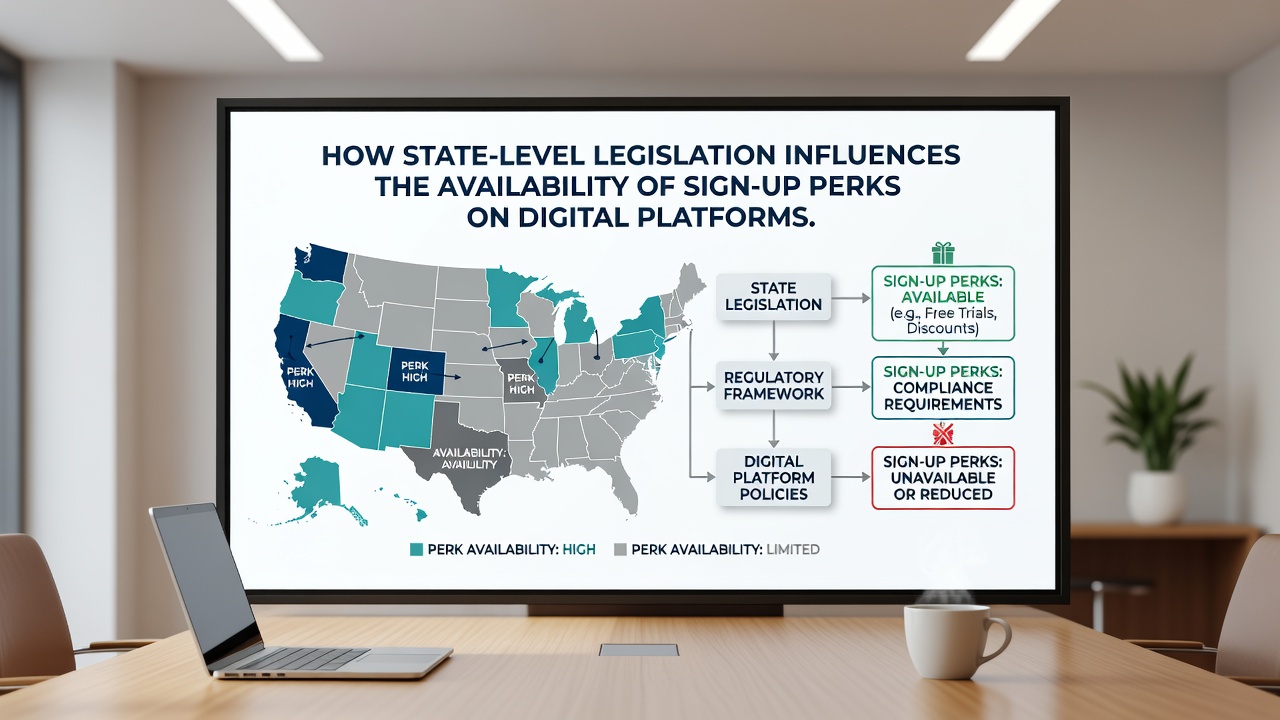
Operators respond to these legislative differences by geo-fencing their promotional content. A user logging in from a permissive state may see a combined offer that grants casino spins and a sports free bet in one package, while the same platform presents only a sports-focused deposit match to users in more restrictive states. This segmentation relies on IP detection and account verification systems that reference each state’s current regulatory database.
Research conducted by state university gaming centers indicates that platforms operating across multiple jurisdictions maintain separate creative libraries and compliance teams for each regulated market. The administrative overhead contributes to slower feature updates and more conservative bonus structures in states where lawmakers have signaled upcoming reviews of promotional standards.
Enforcement Patterns and Platform Adjustments
Enforcement actions by state regulators further shape what appears on sign-up screens. When a gaming control board issues fines for unclear bonus terms or excessive wagering requirements, operators across that state quickly revise their offers to avoid similar penalties. Those adjustments often include shorter expiration windows on free bets or mandatory educational pop-ups before users can claim casino credits.
Platforms also monitor neighboring states for regulatory shifts that could influence cross-border marketing. A change in one jurisdiction sometimes prompts preemptive revisions elsewhere so that operators avoid last-minute compliance scrambles when users travel or change residency.
Conclusion
State-level legislation remains the primary force determining which sign-up perks reach users on platforms that combine casino games with athletic wagers. Differences in licensing conditions, tax treatment, and enforcement priorities create distinct promotional landscapes that operators navigate through geo-targeted offers and ongoing compliance monitoring. As additional states consider expansions or restrictions through 2026 and beyond, the availability of these incentives will continue to reflect the specific statutes enacted in each jurisdiction.