Player Pathways Through Evolving Reward Mechanisms in Licensed Digital Entertainment
Rafael Wagner · Aug 26, 2026
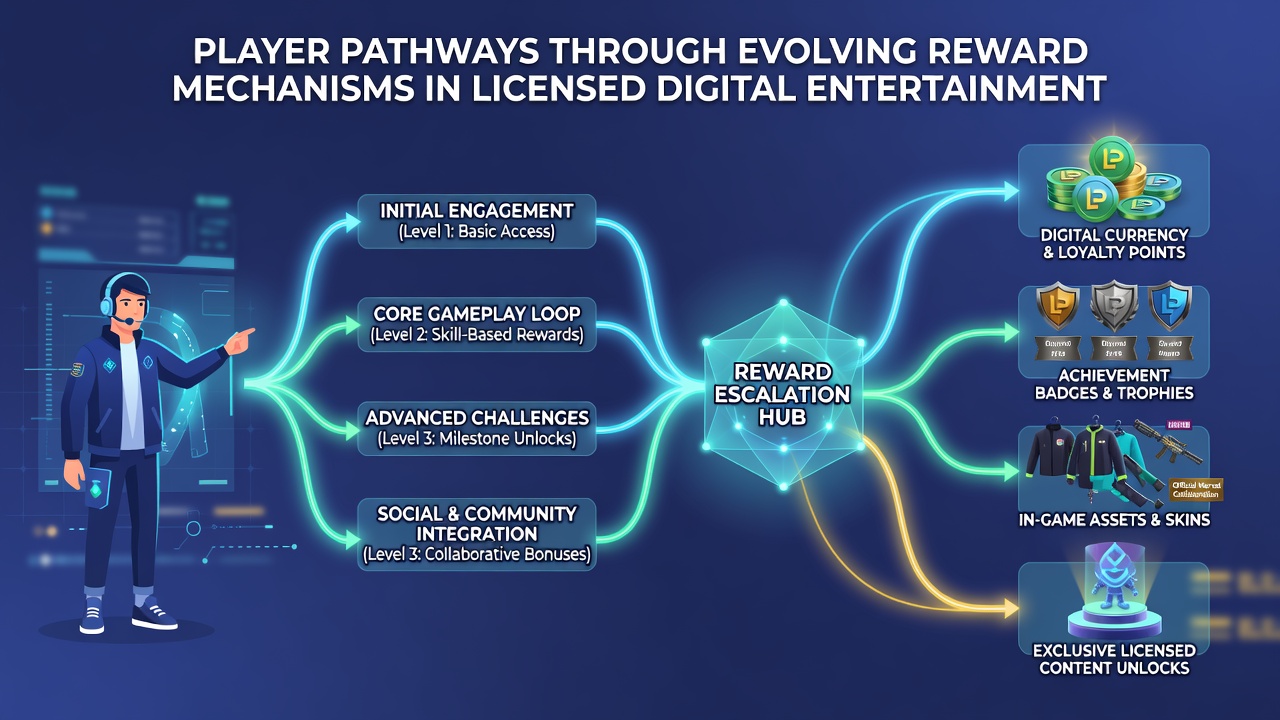
Player Pathways Through Evolving Reward Mechanisms in Licensed Digital Entertainment
Player pathways in licensed digital entertainment have developed through structured sequences where initial incentives connect directly to sustained engagement levels across regulated platforms, and data from multiple jurisdictions shows these mechanisms operate under strict compliance frameworks that shape how users advance from entry points to higher activity tiers.
Regulatory Foundations Shaping Incentive Structures
Authorities in regions such as New Jersey and Pennsylvania maintain oversight through dedicated gaming control boards that require operators to document every stage of reward delivery, while Australian state regulators apply similar standards that tie bonus sequencing to responsible gambling protocols. These rules establish clear documentation trails from the moment a player registers and claims an initial allocation through to the conversion of those credits into ongoing wagering activity. Figures released by state agencies indicate that compliance reporting in the first half of 2026 captured more than 12 million individual player progressions across major licensed sites, with each pathway logged according to standardized templates.
Stages of Player Advancement in Digital Systems
Entry-level rewards typically begin with no-deposit credits or free spin packages that introduce users to core game mechanics, and platform data reveals that successful completion of these introductory steps triggers eligibility for deposit-matched offers or multiplier enhancements. Intermediate stages incorporate sports betting boosters or table game multipliers once wagering thresholds are met, whereas final layers unlock loyalty tier benefits that scale with cumulative play volume. Observers note that operators sequence these elements so each completed action unlocks the next without violating jurisdictional caps on bonus value or playthrough requirements. In August 2026 several platforms adjusted their internal algorithms to align with updated reporting mandates that emphasize transparent display of all active incentives at every stage.
Data Patterns Across Licensed Jurisdictions
Research compiled by the University of Nevada, Las Vegas gaming research center demonstrates that players who follow structured pathways complete an average of 4.7 distinct reward stages before reaching sustained activity levels, compared with lower completion rates among those who encounter unsynchronized offers. Canadian provincial data from Ontario’s Alcohol and Gaming Commission shows similar patterns where sequenced incentives correlate with extended session durations that remain within responsible play guidelines. These studies track progression through anonymized datasets that record trigger events, redemption rates, and subsequent wager volumes without identifying individual accounts.
European operators licensed under Malta Gaming Authority rules publish aggregate statistics that further confirm the effectiveness of layered systems, and cross-border comparisons highlight how timing between incentive releases influences retention across different regulatory environments. Platforms integrate these findings into real-time dashboards that adjust offer visibility based on individual progression history while remaining within legal boundaries.
Technical Implementation of Layered Rewards
Modern systems rely on centralized player management software that tags each account with progression markers tied to regulatory identifiers, and these markers determine which subsequent offers become available once prior conditions are satisfied. Integration with payment processors ensures deposit bonuses activate only after identity verification steps are complete, while sports wager multipliers require confirmation that initial free spin winnings have been converted according to platform rules. Developers coordinate these functions through APIs that log every transition for audit purposes, and August 2026 updates introduced enhanced encryption standards for the transmission of progression data between operators and oversight bodies.
Future Adjustments in Licensed Environments
Industry reports from trade associations indicate ongoing refinements to reward sequencing as new game types and betting formats enter licensed markets, with emphasis on maintaining clear visibility of terms at each transition point. Regulatory bodies continue to evaluate how evolving mechanisms affect player behavior across digital channels, and forthcoming guidelines are expected to standardize reporting formats for multi-stage incentive programs. Those who manage platform operations monitor these developments to keep pathways aligned with both legal requirements and technical capabilities.
Conclusion
Licensed digital entertainment platforms maintain player pathways through carefully documented sequences that connect introductory rewards to advanced engagement layers while operating under continuous regulatory scrutiny. Data from multiple regions confirms consistent patterns in how users advance through these structures, and technical systems support compliance through detailed logging of every stage. As frameworks continue to adapt in 2026 and beyond, the core architecture of sequenced incentives remains central to regulated operations across jurisdictions.