Pathways from Entry Triggers to Enduring Multiplier Effects in Integrated Gambling Systems
Yves Wagner · Jul 10, 2026
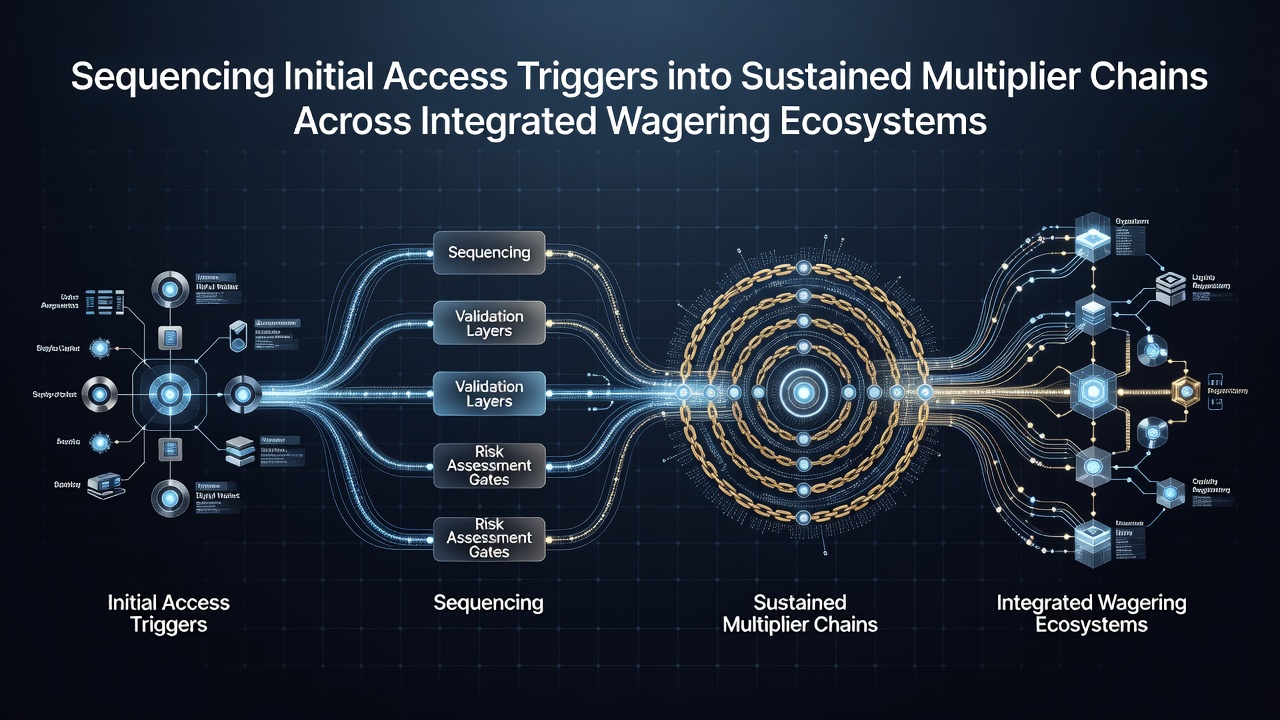
Pathways from Entry Triggers to Enduring Multiplier Effects in Integrated Gambling Systems
Integrated wagering ecosystems combine casino games with sports betting under single accounts, and operators structure initial access triggers such as no-deposit credits or free spins to feed into longer multiplier sequences that extend across both verticals. These sequences rely on specific timing rules, conversion rates, and eligibility windows that platforms publish in their terms. Data from the first half of 2026 shows continued adoption of these layered mechanics in regulated markets across North America and parts of Europe.
Entry points typically begin with a registration bonus or a deposit match that carries a wagering requirement expressed as a multiple of the credited amount. Once players meet the initial threshold, remaining balances or unlocked free bets transition into sports wagering multipliers that apply enhanced odds or cash-back percentages on selected markets. The transition occurs automatically in many systems through account-level flags that track completed trigger conditions.
Mechanics of Trigger Activation and Conversion
Platforms assign unique identifiers to each bonus instance so that the system can monitor progress through defined stages. A free spin allocation on selected slots, for example, generates win amounts that convert at a predetermined ratio into bonus funds eligible for sports wagers. July 2026 updates to several major operators introduced real-time dashboards that display remaining requirements and projected multiplier values after each completed stage.
Conversion ratios vary by jurisdiction and license type. Operators licensed in New Jersey report average conversion factors between 0.3 and 0.6 times slot winnings into sports credits, according to filings with the New Jersey Division of Gaming Enforcement. Similar structures appear in Ontario under the Alcohol and Gaming Commission of Ontario oversight, where operators must display the exact multiplier schedule before players accept the initial trigger.
Cross-Vertical Sequencing Examples
One common pattern starts with a casino deposit match that unlocks a set of free spins. Winnings from those spins roll into a sports betting booster that doubles the stake on a qualifying parlay or single-leg bet. Another sequence begins with a sports-specific free bet that, after settlement, produces casino credits carrying reduced wagering requirements. These patterns appear consistently in platform documentation across multiple operators.
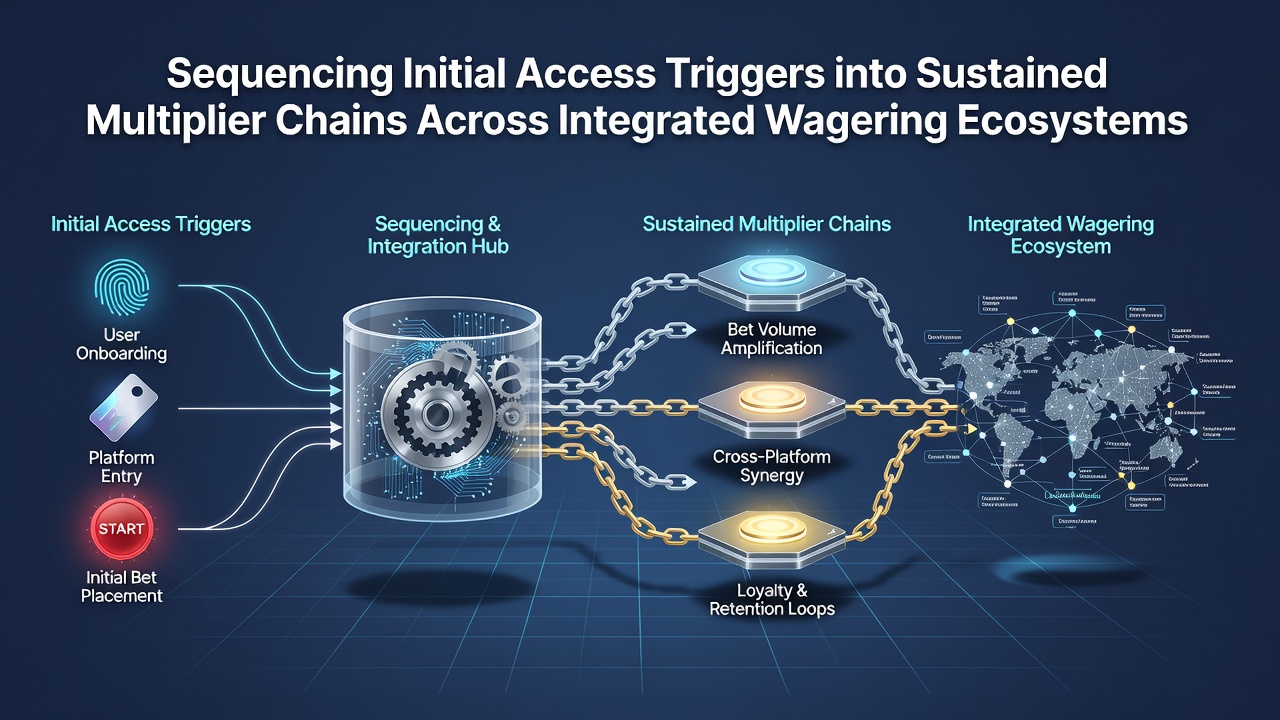
Timing windows affect how long each stage remains active. Most operators set a 30-day period for completing the full chain, although some extend the window to 45 days for higher-value triggers. Players who complete stages early can unlock additional layers, such as loyalty point accelerators or tiered cash-back percentages that apply to future activity. Research published by the University of Nevada, Las Vegas Center for Gaming Research in early 2026 documented that sequences with shorter windows produced higher completion rates when paired with clear progress indicators.
Regulatory Reporting and Data Patterns
Market-wide figures compiled by the Canadian Gaming Association for the 2025-2026 fiscal year indicate that integrated platforms accounted for roughly 38 percent of total online handle in provinces with regulated iGaming. Bonus sequencing features contributed measurable portions of that handle, particularly during promotional periods tied to major sporting events. Operators submit aggregated data on bonus issuance and redemption quarterly, allowing regulators to monitor compliance with advertising standards and responsible gambling requirements.
European operators operating under the Malta Gaming Authority publish similar metrics in annual compliance reports. Those documents show that cross-vertical sequences represent a growing share of bonus liability, with average chain lengths increasing from 2.1 stages in 2024 to 2.7 stages in the most recent reporting cycle. The increase coincides with platform investments in unified wallet technology that reduces friction between casino and sports sections.
Player Journey Tracking and System Flags
Account management systems maintain state machines that update after every qualifying transaction. When a player redeems an initial trigger, the system attaches metadata that determines which subsequent multipliers become available. Observers note that these metadata flags prevent simultaneous use of incompatible bonuses and enforce sequential ordering where required by the operator's rules.
July 2026 introduced new API endpoints for several platforms that allow third-party analytics tools to pull anonymized sequence completion statistics. The endpoints expose aggregated data on average time between stages and dropout points without revealing individual account details. Industry trade groups such as the European Gaming and Betting Association have encouraged wider adoption of these standardized endpoints to improve transparency across markets.
Conclusion
Sequencing structures in integrated wagering ecosystems continue to evolve through regulatory updates, platform feature releases, and reporting requirements that took effect during 2026. The documented patterns show consistent movement from initial triggers through conversion stages into sustained multiplier applications across casino and sports verticals. Operators publish the governing rules in advance, and regulators in multiple jurisdictions collect data that tracks overall usage and compliance. These elements together define the current operational landscape for layered incentive systems.