Mapping Registration Rewards Across Table Games and Sports Markets on Licensed Platforms
Yves Wagner · Aug 19, 2026
Mapping Registration Rewards Across Table Games and Sports Markets on Licensed Platforms
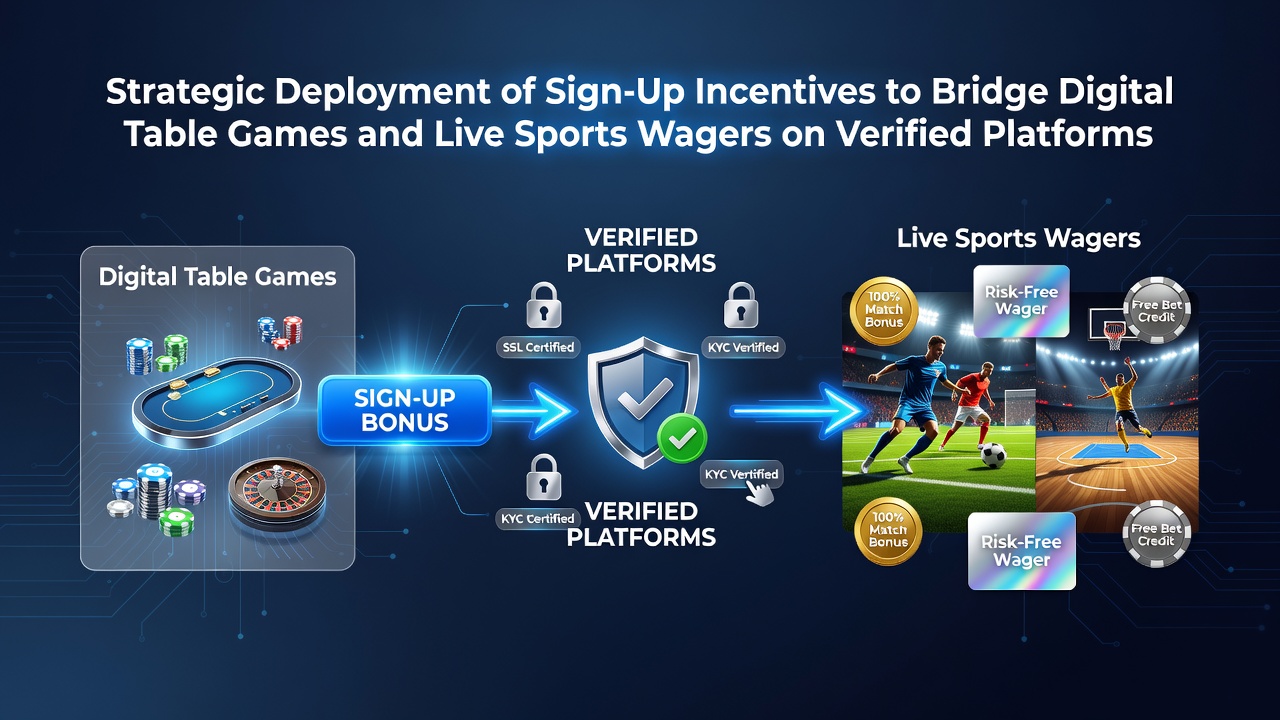
Operators on regulated platforms deploy sign-up incentives to guide users from initial table game access into live sports wagering sequences, creating structured pathways that combine deposit matches, free spins, and wager multipliers across both verticals. Data from multiple jurisdictions shows these layered offers maintain engagement when operators time the release of each component according to verified account activity and compliance checkpoints. In August 2026 observers note continued expansion of such programs as states finalize additional licensing rounds for hybrid operators.
Core Mechanics of Cross-Vertical Incentive Sequencing
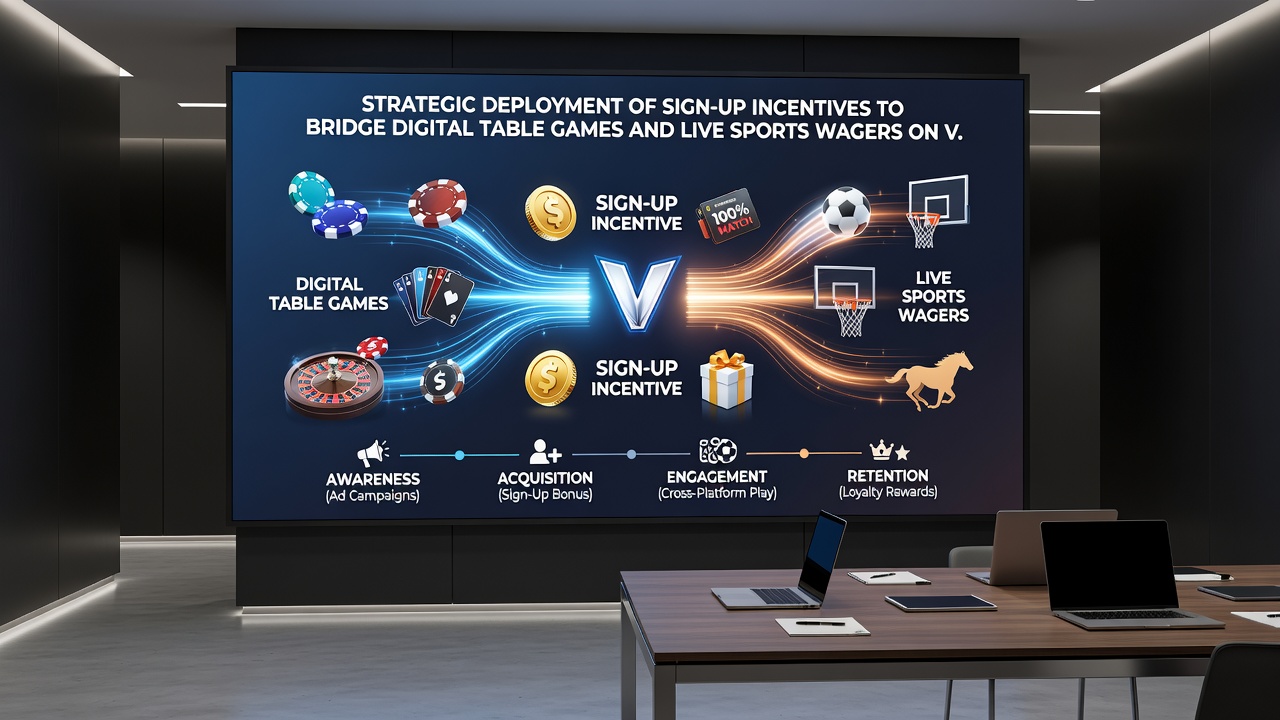
Sign-up packages typically begin with a matched deposit that credits a primary balance usable on digital blackjack, roulette, or poker tables, then unlock secondary sports wager credits once a predetermined table game turnover threshold is reached. Platforms enforce these transitions through automated tracking systems that record each wager type separately while applying the same account verification standards required by state regulators. Research indicates that operators who stagger the sports component after the table game portion achieve higher completion rates because users first familiarize themselves with the interface before encountering odds formats and live event feeds.
Verification and Compliance Gateways
Every incentive pathway requires identity confirmation through government-issued documents and address verification before any funds become withdrawable, a process that satisfies rules set by bodies such as the New Jersey Division of Gaming Enforcement. Once verified, the system releases the table game portion first, records the resulting activity, then activates sports-specific multipliers that apply only to pre-selected leagues or match types. This gated release prevents premature sports betting activity that could violate responsible gaming parameters embedded in the platform software.
Platforms further segment offers by player history, granting larger sports boosters to accounts that already completed initial table game playthroughs. Such differentiation appears in public reports from multiple state gaming agencies that track aggregate handle and revenue by vertical, revealing consistent movement between casino tables and sportsbooks when incentives follow this order.
Regional Patterns in August 2026 Deployments
Markets that opened hybrid licensing earlier display more refined sequencing than newer entrants, with operators in established regions adjusting bonus values based on monthly performance data released by regulatory offices. In contrast, platforms entering additional states during 2026 introduce simpler structures that still separate table game credits from sports credits to maintain clear audit trails. According to New Jersey Division of Gaming Enforcement filings, the proportion of accounts moving from casino to sports activity within thirty days of registration has remained stable even as total sign-up volume fluctuates with promotional calendars.
Operators also incorporate event-specific sports boosts tied to major leagues whose seasons overlap with peak table game periods, creating natural bridges between the two offerings. These timed releases rely on backend rules engines that reference both player location and account age before surfacing the next incentive layer.
Technical Integration and Reporting Requirements
Backend systems log each incentive stage separately so that regulatory audits can isolate table game revenue from sports handle without commingling the two datasets. This separation matters because tax calculations and responsible gaming contributions often differ by vertical, requiring precise attribution that automated sequencing supports. Industry reports compiled by groups such as the Responsible Gambling Council document how clear separation within bonus structures aids both compliance teams and players who track their own activity across categories.
Additional controls include maximum stake limits during the initial sports phase and mandatory cooling periods between table game sessions and live event wagers, features that appear more frequently on platforms operating under multiple state licenses. These controls integrate directly with the incentive delivery mechanism so that users cannot bypass one stage to reach another ahead of schedule.
Conclusion
Strategic deployment of sign-up incentives on verified platforms continues to evolve through measured sequencing that first engages users with digital table games before transitioning them toward live sports wagers. Regulatory data from multiple jurisdictions confirms that structured release of each component maintains compliance while supporting movement between verticals. As additional markets finalize licensing frameworks in 2026, operators refine these pathways to align with updated reporting standards and player verification protocols.