Data Analytics Transforming Tailored Bonus Offerings in Hybrid Sports-Casino Platforms
Rafael Wagner · Aug 21, 2026
Data Analytics Transforming Tailored Bonus Offerings in Hybrid Sports-Casino Platforms
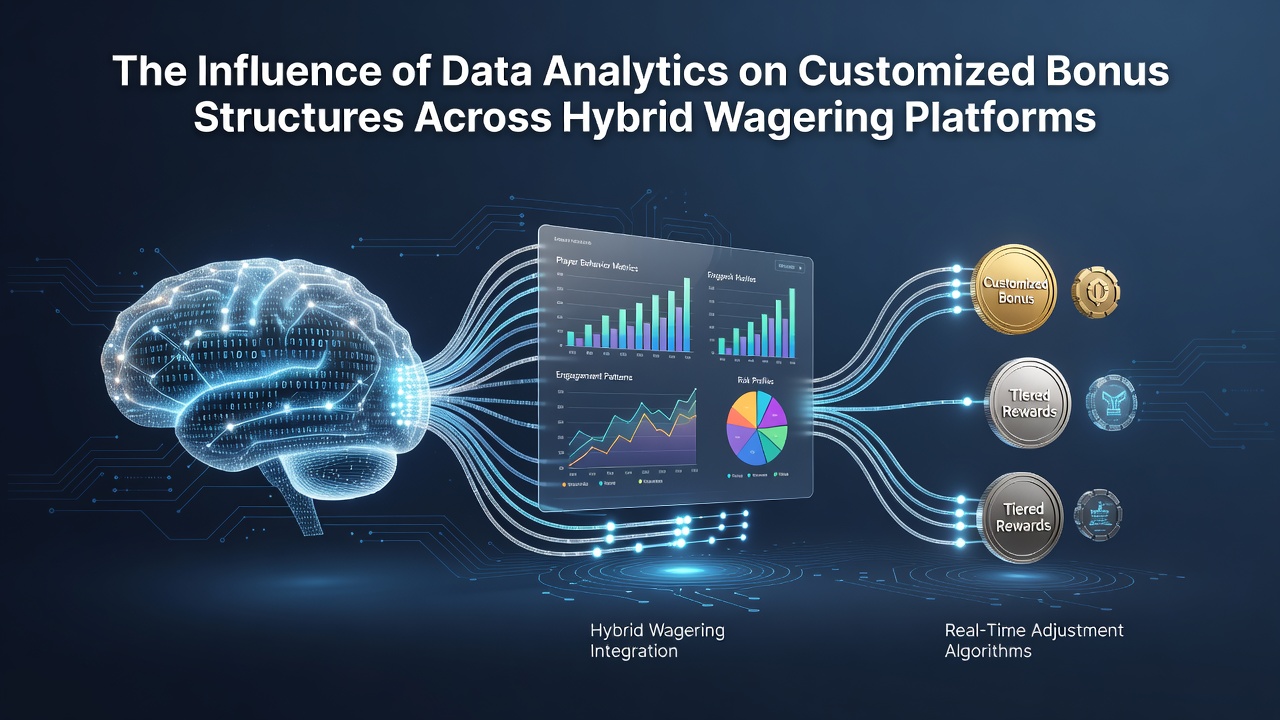
Hybrid wagering platforms combine sports betting with casino games, and data analytics now guides how operators build customized bonus structures for different user segments. Companies collect player data from betting patterns, session lengths, and game preferences, then apply algorithms to adjust offers such as deposit matches, free spins, or risk-free wagers in real time. This approach emerged as platforms integrated both verticals, allowing operators to move beyond generic promotions toward incentives that align with individual activity levels.
Data Collection and Segmentation Methods
Operators gather information through account registrations, transaction histories, and behavioral tracking tools while users interact with sports markets or slot titles. Segmentation models divide players into groups based on metrics like average stake size, frequency of play, and preferred wager types, which then inform bonus parameters. Research from the American Gaming Association indicates that platforms using these models report higher retention rates because the incentives match documented user habits rather than broad assumptions.
Algorithms process this information through machine learning frameworks that identify correlations between past bonus redemptions and subsequent wagering volume. For instance, a player who frequently engages with live sports events might receive multipliers on parlay bets, whereas someone focused on table games could see enhanced cashback on blackjack sessions. These adjustments occur dynamically, often updating within hours of new data inputs, and platforms test variations across controlled user cohorts to refine outcomes.
Customization in Practice Across Platforms
Hybrid systems allow seamless transitions between sports and casino sections, which creates opportunities for sequenced bonuses that encourage movement across verticals. A user starting with a no-deposit casino spin might later unlock a sports wager credit if analytics detect continued activity, and the structure adjusts based on completion rates. Observers note that such layering appears more frequently in regulated markets where operators must maintain transparent terms.
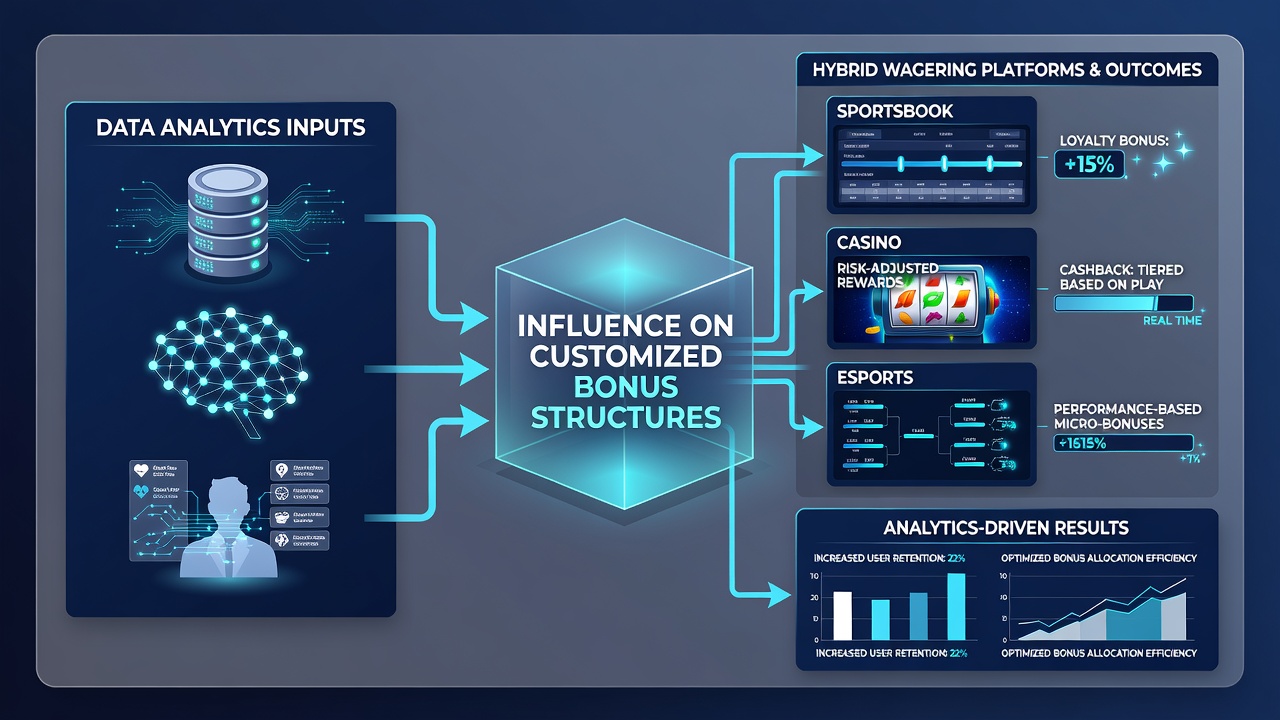
By August 2026, several major platforms had expanded these features to include predictive elements that forecast churn risk and deploy preventive offers, such as personalized free bets timed before typical drop-off periods. Data from the European Gaming and Betting Association shows that operators employing these techniques across multiple jurisdictions maintain consistent compliance while adapting to local rules on bonus disclosures. The process relies on secure data pipelines that anonymize personal identifiers before analysis, reducing exposure during aggregation.
Regulatory and Technical Considerations
Regulators in various regions require clear documentation of how bonus eligibility derives from player data, which pushes operators to maintain audit trails for every customization decision. Technical teams integrate these requirements into analytics platforms by embedding rule-based filters that prevent offers from violating spending limits or age restrictions. Studies from academic research centers, including those affiliated with gaming policy programs at select universities, have examined how transparent data use correlates with lower dispute rates in player accounts.
Platforms also balance customization with responsible gaming tools, where analytics flag patterns that might indicate excessive play and trigger adjusted bonus caps rather than escalation. This dual application of the same datasets demonstrates how operators apply findings across both commercial and compliance objectives without separate systems for each function.
Conclusion
The integration of data analytics into bonus design on hybrid wagering platforms continues to evolve through iterative testing and cross-referencing of user datasets. As platforms refine segmentation and timing capabilities, the structures become more responsive to actual behavior while operating within established regulatory frameworks. Industry reports confirm that these methods support sustained engagement across sports and casino offerings when implemented with consistent oversight.