Charting the Sequence of Incentives Across Licensed Wagering Platforms from Trigger Point Through Layered Enhancements
Yves Wagner · Jun 8, 2026
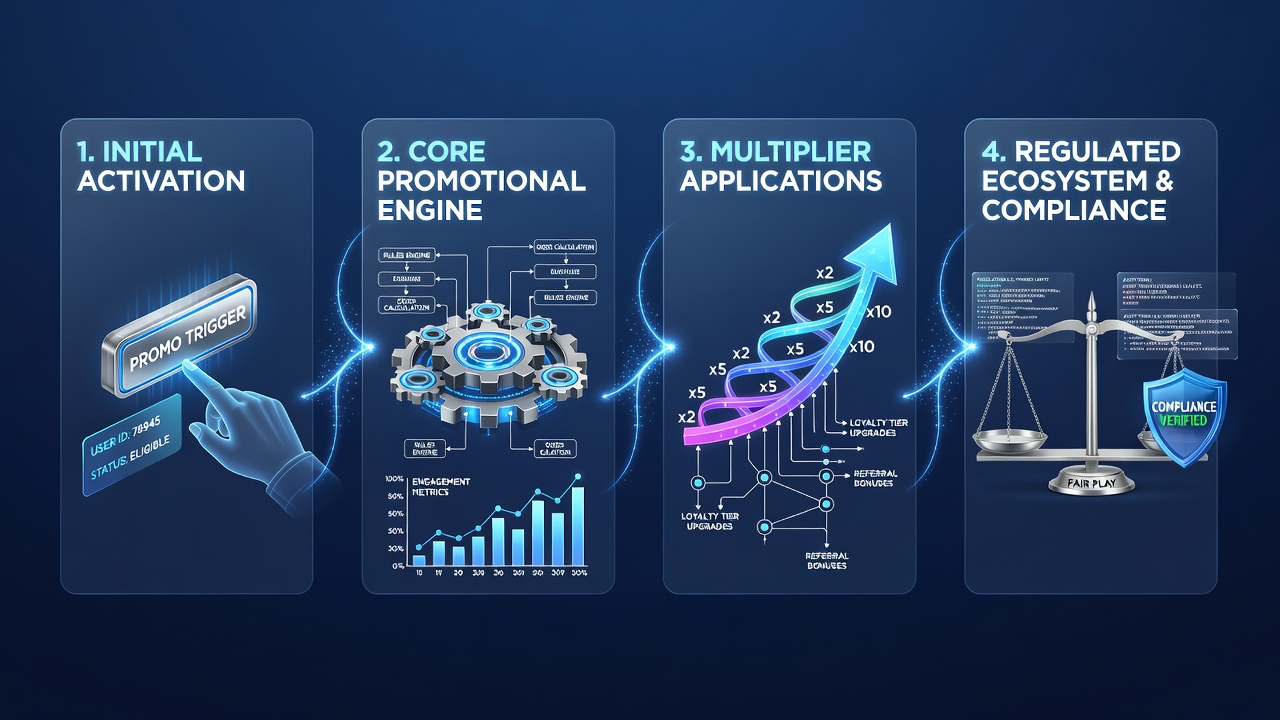
Charting the Sequence of Incentives Across Licensed Wagering Platforms from Trigger Point Through Layered Enhancements
Regulated betting ecosystems maintain structured pathways that begin with a single activation event and extend through successive reward layers, and observers note how these sequences integrate with compliance frameworks established by bodies such as the Alcohol and Gaming Commission of Ontario. Data from industry reports indicate that initial triggers often take the form of deposit-matched credits or free spin allocations, each carrying specific eligibility criteria tied to account verification and geographic licensing requirements.
Activation Triggers and Early Compliance Checks
Operators initiate promotional sequences when users complete registration or first-funding steps, after which automated systems apply rule sets that confirm age, location, and responsible-gaming flags before any credit posts to an account. Research from the American Gaming Association shows activation volumes rising steadily through the first quarter of 2026, with June timelines frequently referenced in platform calendars for seasonal campaigns that coincide with major sporting events or legislative reviews in multiple jurisdictions.
Once activated, the sequence enters a validation window during which wagering contributions accumulate toward release thresholds, and these thresholds follow formulas published in each platform’s terms that convert playthrough into withdrawable balances while capping maximum redemption amounts per cycle.
Progression Through Layered Reward Stages
After the first stage clears, systems advance eligible balances into intermediate tiers where additional multipliers attach to qualifying bets or spins, and analysts tracking platform data observe that the transition typically occurs within 24 to 72 hours depending on transaction velocity and verification status. Multipliers themselves operate on predefined coefficients, often ranging from 1.2x to 5x, applied only to net winnings that meet minimum stake levels set by the licensing authority.
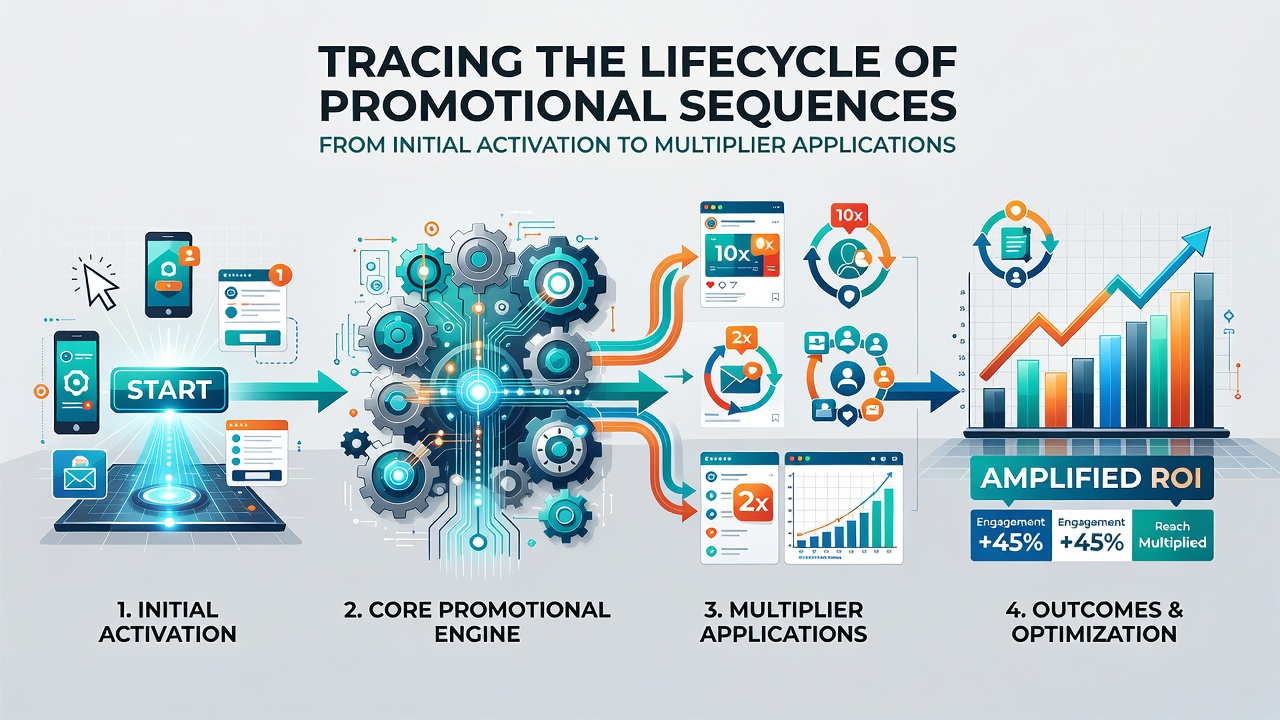
Figures released by state gaming commissions reveal that sequences incorporating both casino and sports elements maintain separate tracking ledgers to prevent cross-contamination of contribution rates, and this separation becomes especially relevant when platforms introduce hybrid campaigns that move users from slot play into live-event wagers within the same promotional window.
Multiplier Application Mechanics and Regulatory Oversight
Multiplier applications occur at the point where accumulated play data satisfies the final release condition, at which stage the platform recalculates the user balance using the assigned coefficient and logs the adjustment for audit purposes. Regulatory filings from the Nevada Gaming Control Board document how these calculations undergo periodic review to confirm alignment with house-edge disclosures and anti-money-laundering thresholds.
Platform operators schedule system updates that refine multiplier logic, and those updates frequently align with broader industry milestones such as the June 2026 land-based transitions noted in several state regulatory calendars. External audits conducted by independent testing labs verify that multiplier code executes identically across desktop, mobile, and kiosk interfaces, thereby preserving consistency for users who shift devices mid-sequence.
Completion, Redemption, and Record-Keeping
Upon reaching the end of the sequence, remaining balances convert to cash or bonus credit according to the original terms, after which the entire lifecycle record archives for a minimum retention period mandated by the overseeing jurisdiction. Industry organizations such as the European Gaming and Betting Association publish comparative studies that track average sequence durations and redemption rates across different regulatory regimes, providing operators with benchmarks for internal compliance reporting.
Conclusion
The full lifecycle of promotional sequences therefore encompasses activation, staged progression, multiplier attachment, and final reconciliation, each step governed by documented rules that licensing authorities monitor for transparency and fairness. Data collected through 2026 continue to show measurable consistency in how these pathways operate within regulated markets, supporting ongoing refinement of both platform technology and oversight procedures.