Activation Pathways in Promotional Sequences Across Hybrid Casino and Sportsbook Platforms
Greta Krause · Jun 22, 2026
Activation Pathways in Promotional Sequences Across Hybrid Casino and Sportsbook Platforms
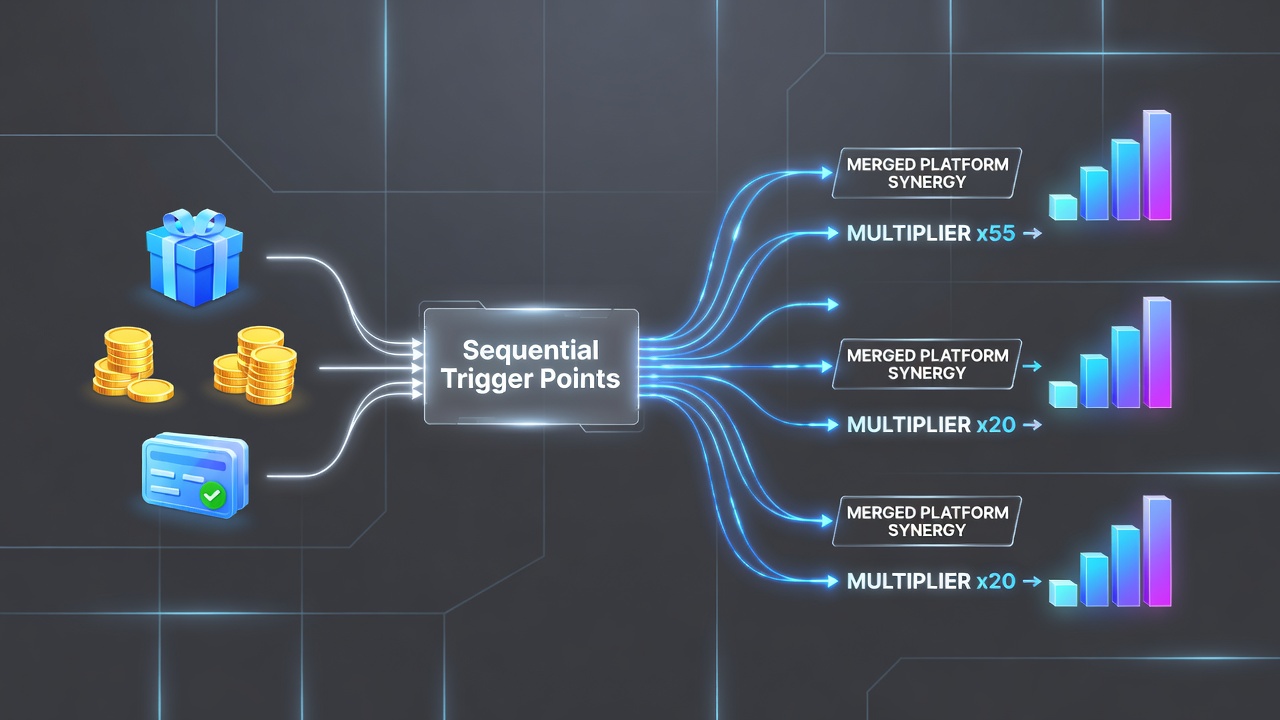
Digital platforms that combine casino games with sports betting have developed structured sequences where initial perks such as no-deposit credits activate under specific conditions and transition into extended multiplier chains that apply across multiple wager types. These pathways operate through predefined trigger points that users encounter when they register, deposit funds, or complete qualifying bets, with each stage building upon the previous allocation according to platform rules established by operators and overseen by regulatory bodies.
Research from industry analysts shows that merged platforms in regulated markets track user progression through these sequences using automated systems that monitor activity thresholds, and data from the first quarter of 2026 indicates steady adoption rates as operators refine their reward structures to retain participants over longer periods. Observers note that the initial digital perks often consist of free credits or spins that require minimal action to unlock, yet they set the stage for subsequent layers where multipliers enhance potential returns on both casino spins and sports wagers when certain volume or combination criteria are met.
Entry-Level Triggers and Their Immediate Effects
Entry points typically begin with account creation or verification steps that release small credit amounts, and these credits convert into playable funds once users meet basic terms such as minimum age confirmation and geographic eligibility checks enforced by state or provincial authorities. Figures from regulatory filings reveal that platforms in North American markets processed millions of such initial activations during early 2026, with many sequences designed so that the first perk directly feeds into a deposit match offer that doubles or triples the value of an incoming transfer when the user adds funds within a set timeframe.
Those who've examined platform mechanics find that timing plays a central role because certain perks expire if not used promptly while others carry over into multiplier stages that activate automatically after a qualifying bet settles. This progression creates extended chains where an early casino spin win can generate a multiplier token applicable later to a sports wager on a separate section of the same merged interface.
Transition Mechanisms and Multiplier Layering
Once the entry perk is utilized, platforms apply layered rules that convert remaining balances or accumulated points into multiplier enhancements, and these enhancements scale based on wager size, game category, or consecutive activity streaks documented in user accounts. Studies conducted by academic researchers at institutions focused on gambling economics have documented how these transitions occur through algorithmic thresholds rather than random assignment, ensuring consistency across user sessions while complying with licensing conditions set by bodies such as the Alcohol and Gaming Commission of Ontario.

What's notable is the integration across verticals because a multiplier earned in the casino portion often carries forward to boost odds on sports markets, and vice versa, creating a unified progression that encourages continued engagement within the single ecosystem. Data compiled by the American Gaming Association indicates that hybrid platforms accounted for a growing share of total handle in 2026, partly due to these interconnected reward sequences that extend the effective lifespan of initial allocations beyond a single session.
Regulatory Context and Platform Adjustments Ahead of June 2026
Operators continue to adjust these sequences in preparation for expansions and policy shifts scheduled around June 2026, when several jurisdictions plan to introduce updated reporting requirements for promotional activity. Evidence from compliance reports shows that platforms must maintain transparent records of how initial perks convert into multipliers to satisfy oversight from agencies including the Nevada Gaming Control Board, which tracks adherence to responsible gaming standards across digital offerings.
Take one case where experts at research institutions analyzed sequences on platforms operating in multiple states and found that trigger points often align with deposit frequency or total wagered amounts, allowing users to unlock higher multiplier tiers after completing earlier stages without interruption. This structure ensures that chains remain active only when conditions are fulfilled sequentially, preventing premature termination while directing activity toward permitted game types and bet categories.
Observed Patterns in User Progression Data
Patterns emerging from aggregated platform statistics demonstrate that sequences lasting beyond the first two trigger points correlate with higher retention metrics, although exact conversion rates vary by region and operator configuration. Researchers at university centers studying digital wagering have noted that merged environments facilitate smoother transitions between perk types because shared wallets and unified tracking systems eliminate the need for separate redemptions across distinct sites.
According to reports issued by the Canadian Gaming Association, similar sequencing appears in provincial markets where operators combine lottery-style games with sports betting, and these arrangements produce extended multiplier applications that apply across product lines when users meet cumulative activity benchmarks. The reality is that each platform publishes its own sequence rules in terms and conditions, yet the underlying architecture follows comparable patterns driven by software providers that supply the backend infrastructure for multiple operators.
Conclusion
Sequential trigger points on merged betting platforms function through interconnected rules that convert early allocations into prolonged multiplier benefits across casino and sports sections, with activity data from 2026 highlighting their role in structured user journeys. As adjustments continue ahead of June timelines, regulatory oversight from diverse agencies maintains focus on transparent execution of these pathways while platforms refine the technical conditions that govern each transition.